

Our Exceptional Qualities
Environmentally Friendly Pipe Rehabilitation
Trenchless methods reduce waste, ground disturbances, and environmental impacts.
Trenchless Repairs With Minimal Disruption
Pipes are repaired internally without excavation, keeping disruption to your property to a minimum.
Cost-Effective Solutions For Damaged Pipes
Relining restores existing pipework without the expense of full replacement.
Durable, Long-Lasting Performance
Modern relining systems restore pipes to a structurally sound and watertight condition, often achieving lifespans of 50 years or more. Resistant to corrosion, root intrusion, and normal wear and tear, these solutions ensure consistent drainage performance over time. Serving clients across Reading and Basingstoke, the extent of relining—from patch repairs to full-length liners—is determined after a detailed CCTV survey to accurately assess pipe damage.
Efficient Drain Repairs Without Excavation
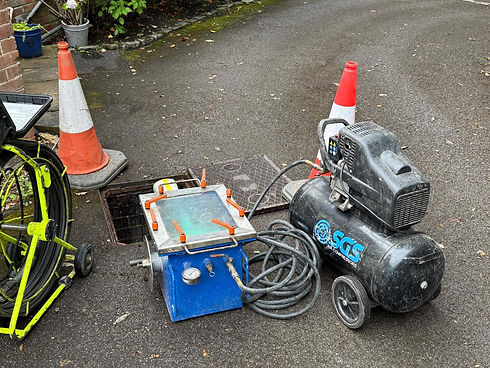
South East Drain Lining offers drain relining using trenchless technology, a method that repairs damaged pipes internally through small access points. This eliminates the need for extensive digging, reducing disruption to gardens, buildings, and roadways. The technique is suitable for both minor and full-length repairs, providing a reliable, time-saving alternative to traditional excavation methods while maintaining the integrity of surrounding structures.
Cost-Effective Pipe Restoration
With South East Drain Lining, drain relining significantly lowers costs by avoiding large excavations and associated labour, machinery, and reinstatement expenses. Traditional methods could take days to complete repairs, but South East Drain Lining often completes them in hours. This method causes less disruption and uses fewer resources while providing a strong, long-lasting fix that quickly makes the old pipes work again.
Sustainable & Environmentally Friendly Solutions
Drain relining reduces soil disturbance, landscape damage, and waste from replaced pipes, making it an environmentally conscious choice. Fewer heavy vehicles on site lower carbon emissions, while minimal excavation preserves the surrounding environment. By rehabilitating pipes in situ, this method supports more sustainable drainage management practices, combining efficiency with ecological responsibility without compromising performance or long-term reliability.
Tailored Drain Lining Services for Every Property
No two drainage systems are exactly the same, which is why we take the time to understand your specific setup before starting any work. Our drain lining services are suitable for a wide range of properties in Guildford, from domestic homes to larger commercial sites. Whether it’s a single problematic pipe or a more complex network, we adapt our method to suit your needs. We use proven techniques to line the inside of your existing pipes, creating a smooth, sealed surface that restores proper flow. This method is ideal for addressing issues such as minor cracks, root ingress, and joint displacement, without the need for major disruption around your property. Our team works efficiently and keeps you informed throughout, so you always know what’s happening and what to expect next.

Honest, Expert Service You Can Count On
With years of experience specialising in drain lining, our team understands the common and complex issues that can affect drainage systems across Guildford. At South East Drain Lining, we don’t take a one-size-fits-all approach; every project is carefully assessed to ensure the most suitable solution is applied. We offer free, fast quotes with no obligation, helping you make the right decision for your property. All our drain lining work is fully guaranteed, so every job is carried out to a high standard. We take pride in being approachable, reliable, and easy to work with. From the first call to the final check, our goal is to make the entire process as smooth as possible.
If you’re experiencing ongoing drainage issues, don’t wait for things to get worse. Call us for expert advice and a free quote.